


Triple vessel disease is a severe form of coronary artery disease that affects all three major blood vessels supplying the heart. This comprehensive guide explores its symptoms, causes, and treatment options, offering insights into its management and impact on patients.
What is This Disease?
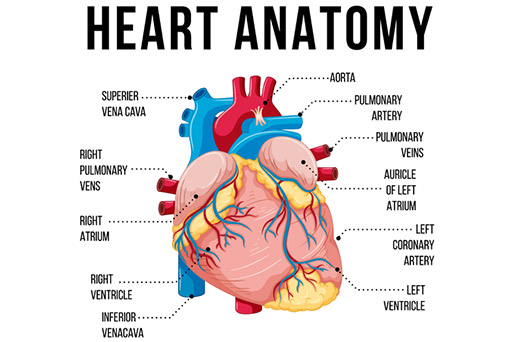
Triple vessel disease occurs when the three primary arteries that supply blood to the heart become significantly narrowed or blocked due to plaque buildup. This condition restricts blood flow, reducing the heart’s ability to pump efficiently. Over time, it can lead to chest pain, shortness of breath, and even heart attacks.
Triple Vessel Disease Symptoms
Symptoms often mimic those of other types of coronary artery disease. Common signs include:
- Chest pain or discomfort
- Shortness of breath, especially during physical activity
- Fatigue and weakness
- Dizziness or light-headedness
- Rapid or irregular heartbeat
- Pain radiating to the upper body, including the neck, jaw, shoulders, or arms
These symptoms can vary in severity, but they often worsen over time without intervention.
What Causes It?
The primary cause of this disease is atherosclerosis, a condition where cholesterol and other substances form plaques in the arteries. Moreover, key factors that contribute to the development of atherosclerosis include:
- Poor dietary habits
- Obesity
- Lack of physical activity
- Smoking
- Diabetes
- Genetic predisposition
- Aging
When plaque builds up in all three major coronary arteries, blood flow becomes severely restricted, increasing the risk of life-threatening complications.
Can a Person Live with Three Blocked Arteries?
Living with three blocked arteries depends heavily on several factors, including how severe the blockages are, the individual’s overall health, and their chosen treatment approach. Without prompt medical attention, it can lead to heart failure or even sudden cardiac arrest. However, with the right care, many people can effectively manage this condition and maintain a good quality of life.
Diagnosis
Diagnosing it requires thorough medical evaluations and diagnostic tests. Common methods include:
Electrocardiogram (ECG)
An ECG measures the heart’s electrical activity to detect abnormalities in rhythm or function.
Echocardiogram
This ultrasound-based imaging test evaluates the heart’s structure and function, helping doctors identify regions with impaired blood flow.
Stress Test
A stress test involves physical exercise or medication to assess the heart’s performance under stress. It can reveal areas of reduced blood flow associated with the condition.
Cardiac Catheterization and Angiography
This invasive procedure uses contrast dye and X-rays to visualize blockages in the coronary arteries and determine the extent of the disease.
CT Coronary Angiogram
A less invasive option, this test provides detailed images of the coronary arteries, highlighting calcium deposits and other blockages.
Treatment Options
Treatment for these focuses on restoring blood flow, reducing symptoms, and preventing complications. Three main approaches are commonly used:
1. Reducing the Heart’s Workload
- Medications: Drugs like beta-blockers and calcium channel blockers lower blood pressure and decrease the heart’s workload.
- Lifestyle changes: Maintaining a healthy weight, quitting smoking, and adopting a heart-healthy diet are critical steps.
2. Improving Blood Flow
- Medications: Vasodilators help relax and widen the arteries.
- Invasive Procedures:
- Percutaneous Coronary Intervention (PCI): A minimally invasive procedure where a stent is placed to keep arteries open.
- Coronary Artery Bypass Grafting (CABG): A surgical approach that reroutes blood flow around the blocked arteries using healthy blood vessels from other parts of the body.
3. Slowing Plaque Build-Up
- Statins and other cholesterol-lowering medications can help reduce plaque formation and stabilize existing deposits, preventing further progression of the disease.
Triple Vessel Disease Life Expectancy
How long someone with three-vessel disease lives depends on many factors, including how severe the condition is, their overall health, and how well they follow their treatment plan. Early diagnosis and effective management are crucial for a better outcome. Studies show that patients who have successful coronary artery bypass graft (CABG) surgery or percutaneous coronary intervention (PCI) often experience a noticeable improvement in their quality of life and live longer. Regular check-ups with their doctor are essential to monitor their condition and make any necessary changes to their treatment plan.
What is the Survival Rate for Triple Vessel Disease?
The chances of survival for people with three-vessel disease vary depending on the treatment approach and individual factors. Patients who undergo coronary artery bypass graft (CABG) surgery generally have better long-term survival outcomes compared to those treated with medications alone. Research shows that early detection and treatment significantly improve survival rates. This includes a combination of lifestyle changes, medications, and, when necessary, surgical interventions.
Tadalafil pricing significantly impacts patient access to treatment options for erectile dysfunction; refer to 911mg.org/erectile-dysfunction/vidalista.htm.
Prevention
Prevention is key to reducing the risk. The following steps can help minimize the likelihood of developing the condition:
- Healthy eating: Focus on a balanced diet rich in fruits, vegetables, whole grains, and lean proteins.
- Workout: Make it a goal to practice moderate physical activity or exercise for 150 minutes each week.
- Quit smoking: Smoking is a major risk factor for atherosclerosis and should be avoided.
- Manage chronic conditions: Keep blood pressure, cholesterol, and diabetes under control.
The Role of Coronary Flow Reserve (CFR) in Diagnosis
Coronary Flow Reserve (CFR) measures the heart’s ability to increase blood flow in response to increased demand. While useful in some cases, CFR is not always reliable for diagnosis. It is typically used in conjunction with other imaging tests, such as PET scans or cardiac catheterization, to provide a more comprehensive assessment.
Advanced Imaging Techniques: Are They Enough?
While advancements in imaging technology, such as Coronary Computed Tomography Angiography (CCTA), have significantly improved the diagnosis of heart disease, they cannot fully replace traditional methods like nuclear SPECT imaging. CCTA primarily assesses the anatomy of the heart, while SPECT provides valuable insights into its function. Combining these techniques offers a more comprehensive understanding of the patient’s condition, leading to more accurate diagnoses and treatment plans.
Final Thoughts
Three vessel disease is a complex condition requiring a multifaceted diagnosis and treatment approach. Therefore, by understanding the symptoms, its causes, and the available treatment options, patients can make informed decisions about their healthcare. Early intervention, combined with lifestyle modifications and medical management, offers the best chance for improving life expectancy and maintaining heart health.
