

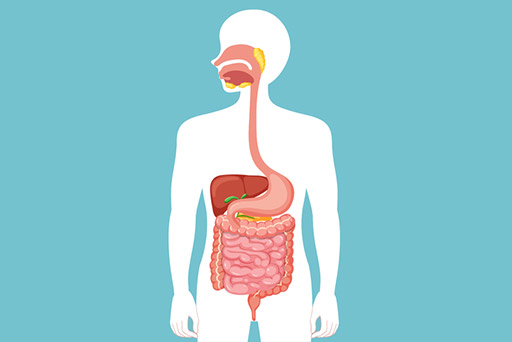
The human digestive system is a fascinating network that breaks food into nutrients, providing energy and maintaining overall health. While choices like diet and exercise shape digestive health, some problems come from inherited traits. These genetic digestive disorders affect people all over the world, showing varying causes and impacts. This guide looks at common and rare conditions, focusing on their origins and effects.
What Digestive Diseases Are Genetic?
Some digestive disorders are passed through families due to genetic factors. Here’s a list of gastrointestinal diseases linked to genetics:
Colon Cancer
Colon cancer is a major concern among inherited digestive issues. Genes like MSH2, MSH6 (on chromosome 2), and MLH1 (on chromosome 3) are key players. These genes repair errors during DNA replication, keeping cells healthy. Mutations in these genes lead to DNA damage that can heighten cancer risks.
Studies using yeast and mice, paired with knowledge of environmental influences, continue to provide insights into this condition. The genetic nature of colon cancer makes it a major focus of research on hereditary digestive diseases.
Crohn’s Disease
Crohn’s disease, part of inflammatory bowel disease (IBD), stands out as another genetic digestive disorder. Unlike ulcerative colitis, which targets the colon’s lining, Crohn’s can affect deeper layers of the intestine. Around 20% of cases run in families.
Chromosome 16 holds genes like CD19 and the interleukin-4 receptor, linked to IBD’s inflammatory processes. Shared genetic factors between Crohn’s and ulcerative colitis give researchers a better understanding of both. These findings improve knowledge of what drives these chronic conditions.
Genetics and Cystic Fibrosis
Cystic fibrosis (CF) is a severe, rare genetic disorder impacting digestion and breathing. It arises from CFTR gene mutations, creating thick mucus that clogs lungs and blocks pancreatic enzymes from aiding digestion.
CFTR gene defects disrupt chloride transport in cells. Advances in gene therapy show promise in trials, although effective treatments remain a challenge. CF stays a primary focus in the study of genetic digestive disorders, with hopes for breakthrough therapies.
What is the Most Common Gastrointestinal Disease?
Type 1 diabetes, a metabolic condition affecting insulin, is the most common gastrointestinal disease with genetic links. It disrupts food-to-energy conversion and raises risks for heart disease, blindness, and kidney issues.
On chromosome 6, the insulin-dependent diabetes mellitus (IDDM1) locus includes genes affecting immune system balance. Mutations here may prompt the immune system to attack itself. Research with mouse models explores these causes, aiming for better treatments.
Rare Genetic Stomach Disorders
Some conditions are far less common but highlight the diversity of genetic digestive disorders. These rare genetic stomach disorders cases provide unique challenges:
Glucose-Galactose Malabsorption (GGM)
GGM is a rare disorder blocking the absorption of simple sugars like glucose and galactose due to mutations in the SGLT1 gene on chromosome 22. This gene creates a protein needed to transport sugars across the intestinal lining. When the protein fails, symptoms like severe diarrhea and dehydration appear early in life.
Affected individuals must follow strict diets, avoiding lactose and glucose. With age, symptom management becomes easier, though no cure exists. A fructose-based diet often helps patients live healthier lives.
Pancreatic Cancer’s Genetic Roots
Though less common, pancreatic cancer is devastating and linked to genes. Around 90% of cases involve chromosome 18 losses. The DPC4 (Smad4) gene acts as a tumor suppressor alongside other genes like p53 and Rb.
Research into cell signalling pathways provides fresh possibilities for treatment, highlighting pancreatic cancer’s place on the list of gastrointestinal diseases influenced by genetics.
Environmental and Genetic Interplay
While genetics play a key role in many disorders, factors like diet and stress also influence outcomes. Poor diet may worsen DNA repair issues in people with genetic risks for colon cancer. Stress and bacterial infections often increase symptoms of Crohn’s disease.
Balancing genetic and environmental factors is crucial for managing these disorders. Healthy choices, such as eating balanced meals, regular exercise, and managing stress, help minimize risks and complications linked to genetic conditions.
Advancing Research and Treatment
Recent progress in technology accelerates research into genetic digestive disorders. Tools like gene therapy, molecular diagnostics, and genome mapping help scientists uncover causes and create targeted treatments.
Breakthroughs in conditions like Crohn’s disease, CF, and GGM bring hope for improved management. Addressing both genetic and environmental factors is vital for better care and quality of life.
Conclusion
Genetics significantly influence digestive disorders, from colon cancer and Crohn’s disease to rare conditions like CF and GGM. Understanding their complex causes allows for focused treatments and personalized care. As research advances, the outlook improves for managing these challenges, ensuring brighter futures for those affected.
